The Best Hooks on the Internet Were Written Before the Internet

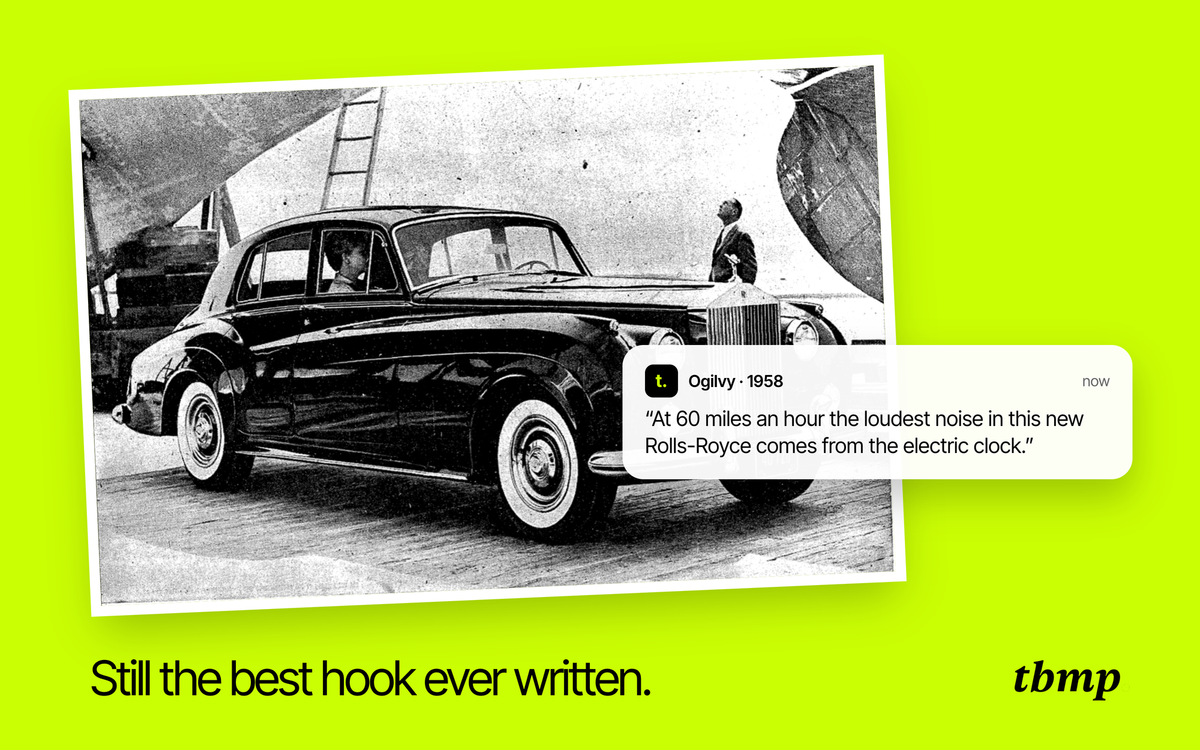
In 1958, a man named David Ogilvy sat down to sell the most expensive car in the world and led with a clock.
"At 60 miles an hour the loudest noise in this new Rolls-Royce comes from the electric clock."
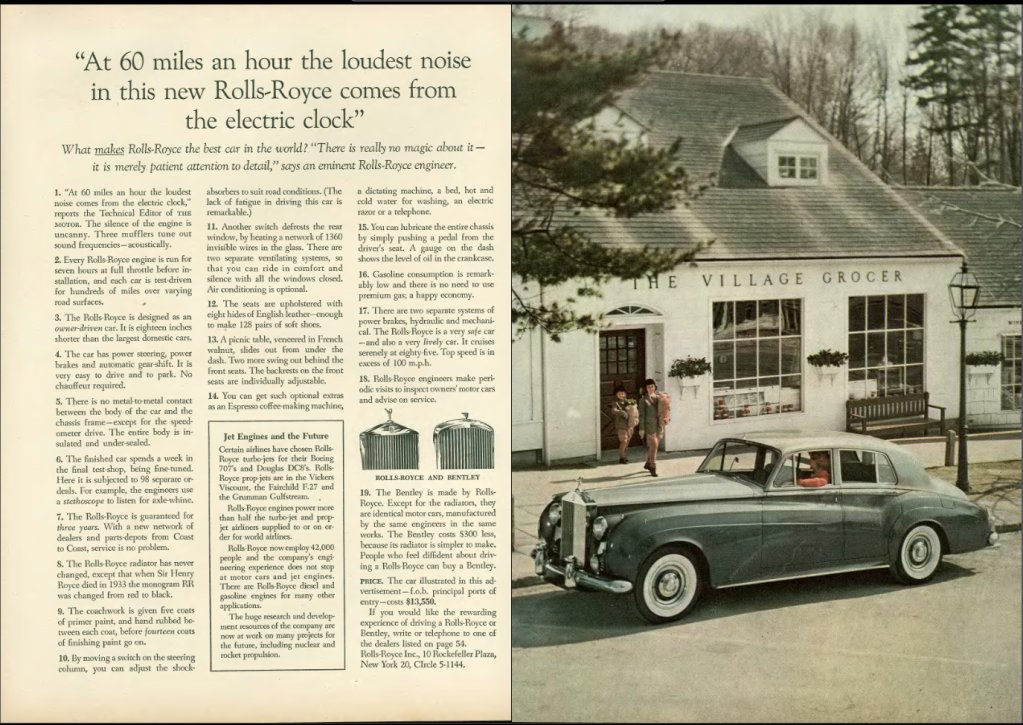
It became the most famous headline in advertising, and here's the part I love most: he didn't even write it. He found the line in a car magazine's review while doing his research.
The greatest hook of the century was a fact, discovered by a man willing to do his homework.
I think about that a lot, because we write hooks for ecommerce and tech brands every week, and the three formulas we reach for most were all invented before the internet existed.
Every "hooks that stop the scroll" thread on your feed is recycling moves that admen in suits perfected decades ago. That's genuinely good news for you. It means hooks aren't a trend you have to chase, but a craft you can learn, and the source material is sitting in the archives with the receipts attached.
Here are the three I steal from most.
Steve Jobs had 5 gigabytes and said songs instead
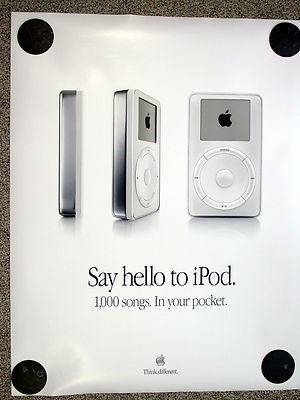
When Apple launched the iPod on October 23, 2001, the spec sheet said 5GB hard drive. The line the world remembers is "1,000 songs in your pocket."
Same fact, completely different thing happening in your head. Nobody on earth can picture a gigabyte, but everyone can feel a thousand songs riding in their jeans. The hook did the translation so the buyer's brain didn't have to.
This is the formula I hand to every technical founder, because tech brands are sitting on mountains of specs and shipping them raw.
Your API response time, your storage limit, your automation count, none of it is the hook. The hook is what the number looks like inside your customer's actual day.
The formula: [spec] becomes [what it looks like in their life].
If your tool reconciles invoices automatically, the hook isn't "automated reconciliation." It's closer to "close your books on Friday afternoon instead of Sunday night."
The loudest thing in the ad was a clock
Back to Ogilvy for a second, because the Rolls-Royce line teaches a different lesson than the iPod one. He had an entire luxury car to brag about and chose one tiny, true, weirdly precise detail. That's the whole trick. A precise fact reads as honest in a way adjectives never will, because anyone can type "unparalleled performance" and only someone telling the truth says "the electric clock."
The modern version is everywhere once you see it. Superhuman doesn't promise to make you more productive, it promises to save you 4 hours a week. Four is such a strange, confident number that you believe it. Round it up to "save tons of time" and the claim dies on the spot.
The formula: one oddly specific, true detail instead of ten adjectives.
Dig through your product, your reviews, your support tickets, and find your electric clock. The detail SO PRECISE nobody would bother making it up.
That's your hook, and like Ogilvy showed, you're allowed to find it rather than invent it.
Oatly picked a fight with milk and won by losing (What?!)
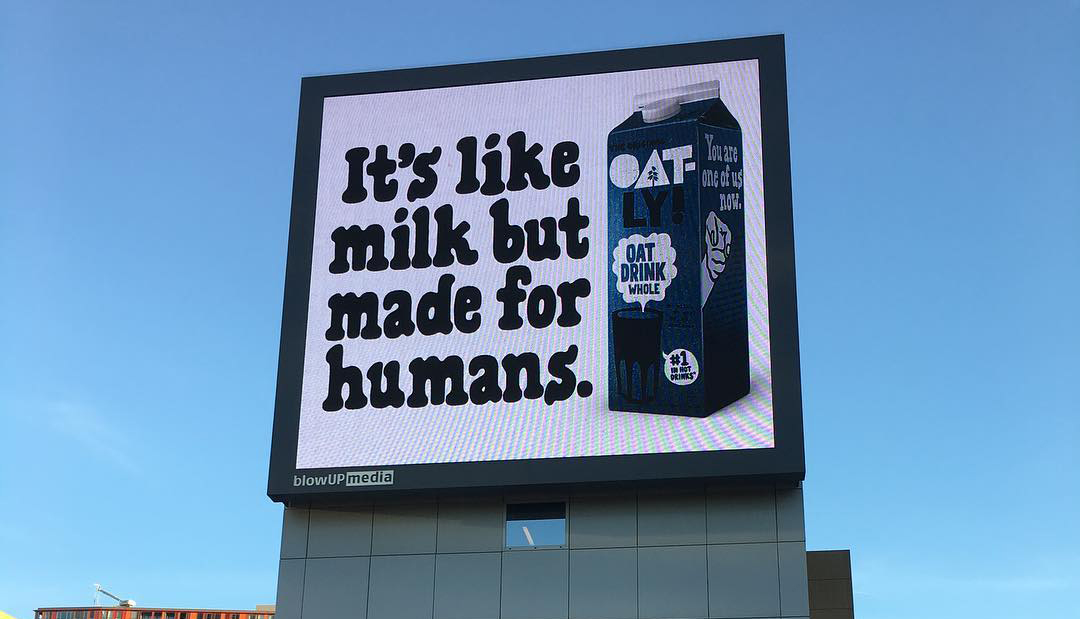
Oatly's carton says "It's like milk but made for humans," a line so pointed the Swedish dairy lobby actually took them to court over it. Oatly's response was to publish the lawsuit and let the fight do the advertising, and the controversy became one of the best growth stories in the category. Wise runs the same play more gently with "money without borders," three words that tell you exactly what annoyance is about to disappear from your life.
The insight under both: the hook was never about the product but about the thing the buyer is already tired of.
Borders, fees, waiting, jargon… Really, whatever friction they complain about at dinner.
Name that, and the buyer recognizes themselves before you've explained a single feature.
The formula: name the thing your buyer is sick of, then be the relief.
You don't need to get sued to use it. You just need to know your customer's complaint well enough to say it better than they do.
The thread running through all three
A picture instead of a spec.
A fact instead of an adjective.
A frustration instead of a feature list.
All three formulas do the same quiet work, which is replacing abstraction with something a human can actually feel.
That's the entire job of a hook, and it hasn't changed since Ogilvy was reading car magazines with a highlighter.
These three live in my swipe file with 23 of their cousins, fill-in-the-blank style with tech examples for each. Message me HOOK and I'll send you the whole vault.
And tell me in the replies: what's the best hook you've seen in the wild lately?
I collect them, obviously :)